Fujifilm Noir

Photographer Omar Gonzales made a video about turning your Fujifilm X camera into the Fujifilm Noir, a dedicated black-and-white camera. This post will make much more sense if you watch the video first, so take a moment to do that right now if you haven’t already done so.

Did you watch it? Don’t read anything below until the video is finished!

Done? Okay, let’s move on.

I made my own Fujifilm Noir camera using my X-T30. I have the silver version, so gaffer tape didn’t make a whole lot of sense for the new label that I wanted to attach to the front. I asked my daughter to create something using paper and pencils that might better match the camera. For those wondering, these labels are available for $25 each (only kidding, of course). And, yes, gluing a paper label to a camera is much less heart-stopping than sandpapering a camera.

The Fujifilm Noir camera.

My Fujifilm Noir is an X-T30 with an Asahi Super-Takumar 55mm f/2 attached to the front. I screwed an 1/2 Black Pro Mist filter to the lens (not pictured, sorry) to further enhance the film-like aesthetic. I shot the camera in manual mode using a black-and-white film simulation recipe that I created just for this project. What’s the film simulation recipe? Well, you’ll find it below!

Acros+G
Dynamic Range: DR200
Highlight: +4
Shadow: +1
Grain: Strong
Color Chrome Effect: Off
Toning: 0
Sharpening: -4
Noise Reduction: -4

White Balance: 2500K, +9 Red & +9 Blue
Exposure Compensation: -2/3 to +2/3 (typically)
ISO 3200

This film simulation recipe was actually an experiment (from when I was creating my B&W IR recipe) that I didn’t love, but I thought it was good enough to use here. I won’t make it an official recipe, this is simply a bonus for you. Feel free to use it in your own photography, as it’s compatible with all X-Trans III and IV cameras. It reminds me of Kodak BW400CN, a black-and-white film that used the C-41 (color) development process. These settings weren’t intended to look like that film, but that’s what it reminds me of.

Kodak BW400CN was not likely ever a popular choice for Noir photography. Noir is French for Black, and Noir photographs are often dark and moody, inspired by 1940’s through 1960’s monochrome crime movies. This recipe isn’t especially Noir, but I used it anyway. There are probably ten different film simulation recipes that are more appropriate for Noir than this one.

I didn’t follow all of Omar’s rules. I shot RAW+JPEG, but only because I used a 2GB memory card, which has enough space for 27 exposures. On a 24-exposure roll of film, you could typically get 25 or 26 frames on it if you were careful. 27 exposures was possible but not commonly achieved (outside of disposable cameras). To make this more of a film-like experience, I used the 2GB SD Card to limit myself to a maximum of 27 exposures, and I refused to change the “film” (recipe) until I had exposed the card. I deleted the RAW files and just used the out-of-camera JPEGs. I got the memory card idea from Fuji X Weekly reader Josh Gagnon.

All of the pictures below were from the first 27-exposure “roll” of “Kodak BW400CN” that I captured using my “Fujifilm Noir” camera. Yes, they’re all camera-made JPEGs, unedited except for some minor cropping here and there.

Smile – Farmington, UT – Fujifilm Noir
Lamp Top – Farmington, UT – Fujifilm Noir
Girl, Drawing – Farmington, UT – Fujifilm Noir
Tortilla Flour – Farmington, UT – Fujifilm Noir
Drink – Farmington, UT – Fujifilm Noir
Top Ten – Salt Lake City, UT – Fujifilm Noir
Building Stack – Salt Lake City, UT – Fujifilm Noir
Building Tree – Salt Lake City, UT – Fujifilm Noir
The Nature of Structure – Salt Lake City, UT – Fujifilm Noir
Campus Skateboarder – Salt Lake City, UT – Fujifilm Noir
One of You – Salt Lake City, UT – Fujifilm Noir
$5 Pizza Bus – Salt Lake City, UT – Fujifilm Noir
Fallen Tree at the Capital – Salt Lake City, UT – Fujifilm Noir
Fallen Tree – Salt Lake City, UT – Fujifilm Noir
Tree & Stormy Mountain – Farmington, UT – Fujifilm Noir

Not bad for one “roll” of “film” on my “Noir” camera, right?

Now the ball is in your court! Turn your Fujifilm X camera into a Fujifilm Noir camera and shoot some black-and-white pictures with it! I don’t have any specific rules, but try to give yourself some limitations because limitations improve art. I enjoyed the 2GB card thing. Share with me your Noir pictures using #fujixweekly on Instagram. Let me know in the comments if you like this project and what you think of this “Kodak BW400CN” film simulation recipe!

Help Fuji X Weekly

Nobody pays me to write the content found on fujixweekly.com. There's a real cost to operating and maintaining this site, not to mention all the time that I pour into it. If you appreciated this article, please consider making a one-time gift contribution. Thank you!

$5.00

What I’ve Been Working On (New Film Simulation Recipes Coming Soon!)

The Fuji X Weekly blog keeps me busy!

I haven’t posted anything in several days, but that doesn’t mean I’m not working hard. I have in the works right now five new film simulation recipes that will be ready to publish soon (plus another five that I’m working on, but aren’t ready to publish, plus about 20 on a to-do list). I’ve included a sample picture of each new recipe down below, just as a teaser. I also have two product reviews (one camera and one lens) that are in the early stages of writing; reviews always take a lot of time to complete. Besides that, I’ve been working on some other changes to the blog, which you’ll begin seeing soon (and maybe you’ve already noticed a few). Some of these changes will be bigger than others, and hopefully they will make the Fuji X Weekly experience better in some way.

Even though it might seem quiet, there’s so much going on behind the scenes right now. It’s what keeps the blog moving forward. Good things are coming! I appreciate all of you and I’m honored to have you as a part of this thing. Your support is invaluable to me. The Fujifilm community really is the best!

Now, the teaser pictures! Below are a quick sampling of five new film simulation recipes that will be coming soon.

B&W Superia”

Which one of these five are you most looking forward to? Let me know in the comments!

Fujifilm X-T200 (Bayer) Film Simulation Recipe: Golden Negative

Hidden Church – North Salt Lake, UT – Fujifilm X-T200 – “Golden Negative”

I got my hands on a Fujifilm X-T200! It’s not my camera, I’m just borrowing it for a few weeks. So far I’ve been more impressed with it than I thought I’d be. I’ll write more about all this later. What I want to share today is the very first film simulation recipe that I’ve created for the X-T200, called Golden Negative.

I can’t tell you how many requests I’ve had for recipes compatible with Fujifilm Bayer cameras, such as the X-T200, X-T100, X-A7, X-A5 and XF10, but it’s been a lot! Prior to this, I’d only made three film simulation recipes for these cameras, partly because you cannot save custom presets on these cameras like you can on X-Trans models. You more-or-less have to use one recipe for a period of time, and only switch occasionally. With this film simulation recipe, there are now four to choose from! X-Trans II recipes are compatible with these Bayer cameras, but they produce slightly different results. This recipe will work on X-Trans II, but it won’t look exactly the same. I tried this recipe on an X-Trans IV camera, and it looked noticeably different, but it didn’t look bad, so feel free to try this recipe any camera with the Classic Chrome film simulation; for best results, use it on a Fujifilm Bayer camera.

Early Autumn Evening – North Salt Lake, UT – Fujifilm X-T200 – “Golden Negative”

What does this Golden Negative recipe look like? I’m reminded of prints from the 1980’s and 1990’s, maybe captured on Kodak Gold and printed on Kodak paper. It’s not really intended to resemble that, it’s just what this recipe reminds me of. It has a beautiful low-contrast, low-saturation, warm-cast that’s closer to Kodak color negative film, such as Gold or ColorPlus, than reversal film. I don’t think this recipe is exactly like any specific film, but it looks great nonetheless.

Classic Chrome
Dynamic Range: DR-Auto
Highlight: +1
Shadow: -2
Color: -2
Noise Reduction: -2
Sharpening: 0
White Balance: Daylight, +4 Red & -2 Blue
ISO: Auto, up to ISO 6400
Exposure Compensation: -1/3 to +1/3 (typically)

Example photographs, all camera-made JPEGs using this Golden Negative film simulation recipe on a Fujifilm X-T200:

XB – Farmington, UT – Fujifilm X-T200
Ogden or Bust – Woods Cross, UT – Fujifilm X-T200
Rose Garden – Farmington, UT – Fujifilm X-T200
Shadows on a Leaf – North Salt Lake, UT – Fujifilm X-T200
Ground Leaves – North Salt Lake, UT – Fujifilm X-T200
Brown Leaf – North Salt Lake, UT – Fujifilm X-T200
Autumn Trees Trunks – North Salt Lake, UT – Fujifilm X-T200
Forest Sunstar – North Salt Lake, UT – Fujifilm X-T200
Nature Above City – North Salt Lake, UT – Fujifilm X-T200
Haze Over North Salt Lake – North Salt Lake, UT – Fujifilm X-T200
Moonrise Over Mansions – North Salt Lake, UT – Fujifilm X-T200
Yellow Balsomroot – North Salt Lake, UT – Fujifilm X-T200
Blossomed Flower – North Salt Lake, UT – Fujifilm X-T200
Faux Succulent on a Shelf – Farmington, UT – Fujifilm X-T200
Girl Playing Cards – Farmington, UT – Fujifilm X-T200
Happy Girl – Farmington, UT – Fujifilm X-T200
Joshua on the Playground – North Salt Lake, UT – Fujifilm X-T200
Lit Leaves – Farmington, UT – Fujifilm X-T200

See also: Film Simulation Recipes

This post contains affiliate links, and if you make a purchase using my links I’ll be compensated a small amount for it.

Fujifilm X-T200 Amazon B&H

Help Fuji X Weekly

Nobody pays me to write the content found on fujixweekly.com. There's a real cost to operating and maintaining this site, not to mention all the time that I pour into it. If you appreciated this article, please consider making a one-time gift contribution. Thank you!

$5.00

With Other Film Simulations: Kodachrome 64

Classic Chrome

Here’s a unique idea that was suggested to me: apply different film simulations to different recipes, just to see what you get. Actually, that’s how My Ektachrome 100SW recipe came to be: a Fuji X Weekly reader took my Kodachrome II recipe and replaced Classic Chrome with Velvia. I’m going to make a series out of this, which I’m calling With Other Film Simulations, and maybe something interesting will come out of it.

I’ll start with the Fujifilm X100V Kodachrome 64 film simulation recipe. The original picture (at the top of this post), which you might recognize from my Rover Mini YouTube video, was made using Classic Chrome, the film simulation that the Kodachrome 64 recipe requires. The idea here is to keep every setting the same except for the film simulation. In case you don’t remember, the settings are:

Dynamic Range: DR200
Highlight: 0
Shadow: 0
Color: +2
Noise Reduction: -4
Sharpening: +1
Clarity: +3
Grain Effect: Weak, Small
Color Chrome Effect: Strong
Color Chrome Effect Blue: Weak
White Balance: Daylight, +2 Red & -5 Blue

Let’s look at the pictures:

Provia
Velvia
Astia
PRO Neg. Hi
PRO Neg. Std
Classic Negative
Acros
Monochrome
Sepia

The color images are surprisingly similar. Velvia stands out for being the most vibrant. PRO Neg. Std stands out for having the lowest contrast. Classic Negative stands out for its color shift. The original version, which uses Classic Chrome, is still my favorite, but it is interesting to see how the other film simulations affect the picture. The Monochrome film simulation with these settings might prove to be a good low-contrast black-and-white recipe, something I’ll have to take a closer look at.

I hope that you enjoyed this quick article! We’ll do some more of these in the coming weeks and months. Which film simulation did you find most interesting with the Kodachrome 64 settings? Let me know in the comments!

Fujifilm X100V Film Simulation Recipe: Kodak T-Max 400

Tree Behind Bars – North Salt Lake, UT – Fujifilm X100V – “Kodak T-Max 400”

Kodak introduced T-Max black-and-white negative film back in 1986, and they dubbed it “the finest-grained black-and-white film in the world.” While it certainly has fine-grain, particularly the low-ISO version, I don’t know how accurate Kodak’s proclamation was. It’s available in ISO 100, 400 and 3200 variants. This film simulation recipe is intended to resemble the ISO 400 version.

T-Max 400 is a popular B&W film. I’ve used it, although it has been many, many years. Kodak updated the film in 2007 to be sharper and have finer grain; it’s the old version that I have personal experience with. With any film, but perhaps especially with black-and-white negative film, so much can be altered in the darkroom to customize the aesthetic, and one film can produce many different looks, so creating a recipe can be controversial because it might not look exactly like what someone thinks it should. Still, I hope that you will recognize this as T-Max-esque.

You might find that this recipe looks familiar. Actually, it began as Kodak Tri-X 400. Fuji X Weekly readers Thomas Schwab (who has helped with several recipes) and Anders Linborg (who invented the Tri-X recipe) worked together to modify that recipe into this one. I added a couple of small revisions, and now we have Kodak T-Max 400! It really was a group effort, but mostly Thomas and Anders. Thanks, guys!

Night Clouds – Farmington, UT – Fujifilm X100V – “Kodak T-Max 400”

This Kodak T-Max 400 film simulation recipe is intended for the Fujifilm X100V, X-Pro3 and X-T4 cameras; however, with a couple small modifications, it can be used on any X-Trans III or IV camera. First, if your camera doesn’t have Clarity, consider using +1 Highlight and +4 Shadow instead, although you can certainly keep those settings as they are in the recipe below. If your camera doesn’t have the option for Grain size (only strength), set it to Strong. I used Toning on this recipe, which is completely optional, but on the X-T3 and X-T30, which has a different Toning menu, consider using +1 (warm). Back when I shot film I would often give my prints a quick Sepia bath, both for warmth and archival reasons, and the Toning option on your X-Trans IV camera does a good job of mimicking that.

One difference that you might notice between this recipe and Tri-X is ISO. On that recipe I suggest using ISO 1600 to 12800. I think for this recipe the best results are found between ISO 1600 and 3200, but anything from ISO 320 to 6400 looks good. I feel like ISO 12800 is a bit too much, but feel free to try it and see what you think.

Monochrome (+Y, +R, +G)
Dynamic Range: DR200
Highlight: 0
Shadow: +3
Noise Reduction: -4
Sharpening: +2
Clarity: +3
Toning: WC +2, MG 0

Grain Effect: Strong, Small
Color Chrome Effect: Strong
Color Chrome Effect Blue: Off
White Balance: Daylight,+9 Red & -9 Blue
ISO: Auto, up to ISO 6400
Exposure Compensation: +1/3 to +1 (typically)

Example photographs, all camera-made JPEGs using this Kodak T-Max 400 film simulation recipe on my Fujifilm X100V:

Hanging Leaves Silhouette – North Salt Lake, UT – Fujifilm X100V
Light Through The Dark Forest – North Salt Lake, UT – Fujifilm X100V
Ghosts – North Salt Lake, UT – Fujifilm X100V
Tree Trunks & Ground Cover – North Salt Lake, UT – Fujifilm X100V
Tree at Forest Edge – North Salt Lake, UT – Fujifilm X100V
Paved Forest Path – North Salt Lake, UT – Fujifilm X100V
People Shadows – North Salt Lake, UT – Fujifilm X100V
Happy Jon – North Salt Lake, UT – Fujifilm X100V
Fish in the Net – Hyrum Reservoir, UT – Fujifilm X100V
Tired Old Dock – Hyrum Reservoir, UT – Fujifilm X100V
A Boy & His Fishing Pole – Farmington, UT – Fujifilm X100V
Lake Water – Farmington, UT – Fujifilm X100V
Flower Photo – North Salt Lake, UT – Fujifilm X100V
Monochrome Wildflower – North Salt Lake, UT – Fujifilm X100V
Photo by Thomas Schwab – Husum, Germany – Fujifilm X100V

See also: Film Simulation Recipes

This post contains affiliate links, and if you make a purchase using my links I’ll be compensated a small amount for it.

Fujifilm X100V Black    Amazon   B&H
Fujifilm X100V Silver   Amazon   B&H

Help Fuji X Weekly

Nobody pays me to write the content found on fujixweekly.com. There's a real cost to operating and maintaining this site, not to mention all the time that I pour into it. If you appreciated this article, please consider making a one-time gift contribution. Thank you!

$5.00

Fujifilm X100V + Kodachrome 64 Film Simulation Recipe + Rover Mini Cooper (Video)

My friend, James, has a 1994 Rover Mini Cooper. It’s such a cool classic car! He imported it from Japan, and the driver sits on the right side instead of the left, which is unusual in America. What I love about this car is its vintage features; it looks older than the year it was built. It has great retro styling, and you don’t see many of these older models on the road. I asked him if I could photograph it, and he graciously agreed.

The camera that I chose for this photo shoot is the Fujifilm X100V. It’s a fun camera to use, and it unsurprisingly handled this situation well—there’s not much that this camera isn’t a good choice for (wildlife photography, perhaps?). For automobile photography it did nothing but deliver beautiful picture after beautiful picture.

The film simulation recipe that I programmed into the X100V is Kodachrome 64, which is a film that was very popular in 1994 when this car was new. I thought it would be appropriate to give the pictures an aesthetic that matched its year built, as if these images could have been captured when the car was new. In 2010 Kodachrome was discontinued, including the chemicals to develop it, so it’s impossible to capture with Kodachrome today. My Kodachrome 64 film simulation recipe might be the closest you can get to the film straight-out-of-camera.

My wife, Amanda, who created the video at the top of this article, programmed my Kodachrome 64 recipe into the Fujifilm X-T30 and X-T20, two cameras that she used to record this photo shoot. Something that some of you might be unaware of is that my film simulation recipes can be used for video, too! No need for color grading. No need for LUT presets. I bet some of you just had your mind blown! She also used a GoPro Hero 8, and we tried to color match it to the Fujifilm clips, but that proved to be a difficult task. If you want Kodachrome-looking clips, you might be better off simply using the film simulation recipe on your Fujifilm camera instead of trying to recreate it in software.

When we started the photo shoot, it was evening light just before sunset. Smoke from the wildfires in California diffused the sun and gave a warm glow, which was quite nice; however, the sun quickly disappeared below the horizon and the light changed significantly. It was dusk by the time we stopped shooting. The great light was short lived, but we worked quickly to take advantage of it while it lasted.

One challenge with car photography is that there are often lots and lots of reflections, which can make it difficult to keep yourself (or other things you don’t want) from showing up in the images. You have to be very conscious of the entire frame. Yes, unwanted reflections can be removed in software, but the point of this exercise is to not use software, but get the desired results out-of-camera unedited. Reflections can also be used creatively, so it’s not just a challenge to avoid unwanted reflections, but to maximize good reflections.

I want to give a big “Thank You” to James for allowing us to photograph his Rover Mini. I enjoyed collaborating with him. If you like the video, be sure to give it a thumbs up and let us know with a comment! Please subscribe to the Fuji X Weekly YouTube channel if you don’t already. Thanks for watching!

This post contains affiliate links, and if you make a purchase using my links I’ll be compensated a small amount for it.

Gear:
Fujifilm X100V Amazon B&H
Fujifilm X-T20   Amazon
Fujifilm X-T30  Amazon B&H
Fujinon 10-24mm   Amazon B&H
Rokinon 12mm   Amazon B&H
GoPro Hero 8 Black   Amazon B&H

Fujifilm X100V Film Simulation Recipe: Verano Tostado

Sunshine Pines – Mirror Lake, UT – Fujifilm X100V – “Verano Tostado”

There are some film simulation recipes that are more series and some that are more fun. This one is falls into the latter category. Even the name, Verano Tostado (“Toasted Summer”), and the story behind it, is fun. Fuji X Weekly reader Ricardo Guzman sent me this recipe to try. He called it “Tostado” and when I asked him why, Ricardo answered, “Toasted like summer—when you sleep after lunch at the beach, you wake up looking at funny colors.” Yes, that’s exactly what it looks like—verano tostado!

What’s great about this recipe is, even though the title says Fujifilm X100V, this actually will work on any X-Trans III and X-Trans IV camera. Simply disregard Grain set to Large if your camera doesn’t have that option. Clarity, Color Chrome Effect and Color Chrome Effect Blue are all set to 0 or Off, which makes this recipe usable on cameras that don’t have those options. I tried it on both a Fujifilm X-T20 and X-T30 and it worked great!

Roof and Ceiling – Farmington, UT – Fujifilm X100V – “Verano Tostado”

I did not include a “typical” exposure compensation because you can get some really interesting looks with this recipe from both overexposure and underexposure. Try -2/3 all the way up to +1 1/3 and see what happens. I want to thank Ricardo Guzman for creating this recipe and allowing me to share it here with you. Thanks, Ricardo!

Classic Chrome
Dynamic Range: DR200
Highlight: -1
Shadow: +2
Color: +3
Noise Reduction: -4
Sharpening: +2
Clarity: 0
Grain Effect: Strong, Large
Color Chrome Effect: Off
Color Chrome Effect Blue: Off
White Balance: Auto, -2 Red & -5 Blue
ISO: Auto, up to ISO 6400

Example photographs, all camera-made JPEGs using this Verano Tostado film simulation recipe on my Fujifilm X100V:

Summer Flowers – Mirror Lake, UT – Fujifilm X100V
Lake Fishing – Mirror Lake, UT – Fujifilm X100V
Mountain Lake – Mirror Lake, UT – Fujifilm X100V
Water Log – Mirror Lake, UT – Fujifilm X100V
Blue Lake Water – Mirror Lake, UT – Fujifilm X100V
Baiting a Fishing Lure – Mirror Lake, UT – Fujifilm X100V
Small Stream & Tiny Waterfall – Mirror Lake, UT – Fujifilm X100V
Green Leaf – Mirror Lake, UT – Fujifilm X100V
Forest Light Peek – Mirror Lake, UT – Fujifilm X100V
If a Tree Falls in the Forest – Mirror Lake, UT – Fujifilm X100V
Summer Feelings – Farmington, UT – Fujifilm X100V
Hello – Farmington, UT – Fujifilm X100V
Stripes – Farmington, UT – Fujifilm X100V
Table Plant – Farmington, UT – Fujifilm X100V

This post contains affiliate links, and if you make a purchase using my links I’ll be compensated a small amount for it.

Fujifilm X100V Black    Amazon   B&H
Fujifilm X100V Silver   Amazon   B&H

Help Fuji X Weekly

Nobody pays me to write the content found on fujixweekly.com. There's a real cost to operating and maintaining this site, not to mention all the time that I pour into it. If you appreciated this article, please consider making a one-time gift contribution. Thank you!

$5.00

Fujifilm X-T20 (X-Trans III) + X-T30 Film Simulation Recipe: Kodak Ultramax

Street Lamp Sunset – Farmington, UT – Fujifilm X-T30 – “Kodak Ultramax”

I’ve received a lot of positive feedback from my Fujifilm X100V Kodak Ultramax 400 film simulation recipe, which I published two weeks ago. I’ve had a ton of requests to make a version of this recipe that’s compatible with X-Trans III sensor cameras, plus the X-T30 and X-T3. Well, I’ve done it, and here it is!

This version of the Ultramax recipe is pretty close to the original, but not precisely the same. Because the new cameras—the X100V, X-T4 and X-Pro3—have different tools, that recipe isn’t compatible with “older” Fujifilm cameras, but I made some adjustments and changes, and created this new version, which produces similar results. It’s fully compatible with the X-Pro2, X100F, X-E3, X-T2, X-T20, X-H1, X-T3 and X-T30 cameras. While not 100% exactly the same as the original recipe, it definitely has the same overall Ultramax aesthetic.

Sunstar Through Peach Leaves – Farmington, UT – Fujifilm X-T20 – “Kodak Ultramax”

Ultramax 400 is Kodak’s consumer grade ISO 400 color negative film. Kodak has sold Ultramax 400 under many different names, beginning in 1987 with Kodacolor VR-G 400, rebranded Gold 400 one year later, called simply GC at one point, and finally, in 1997, Kodak settled on Ultramax 400. Kodak still sells Ultramax 400, although it’s not the same film as Kodacolor VR-G 400. This film has been tweaked and updated at least nine times over the years; however, the overall aesthetic is still substantially similar between all variations.

Classic Chrome
Dynamic Range: DR400
Highlight: +2
Shadow: +2
Color: +4
Sharpening: +2
Noise Reduction: -4
Grain: Strong
Color Chrome Effect: Off or N/A
White Balance: Auto, +1 Red & -6 Blue
ISO: Auto up to ISO 6400
Exposure Compensation: +1/3 to +1 (typically)

Example photographs, all camera-made JPEGs captured using this Kodak Ultramax film simulation recipe on a Fujifilm X-T20 and X-T30:

Creek – Farmington, UT – Fujifilm X-T20
Shadow Catcher – Farmington, UT – Fujifilm X-T30
Boy by a Window – Farmington, UT – Fujifilm X-T30
Jonathan in Window Light – Farmington, UT – Fujifilm X-T30
Pencils on the Table – Farmington, UT – Fujifilm X-T30
Balcony – Farmington, UT – Fujifilm X-T20
Panda Express – Farmington, UT – Fujifilm X-T20
Window Flag – Farmington, UT – Fujifilm X-T30
American Tree – Farmington, UT – Fujifilm X-T30
Green Mountain Summer – Farmington, UT – Fujifilm X-T30
Summer Pear Tree – Farmington, UT – Fujifilm X-T30
Greens of Summer – Farmington, UT – Fujifilm X-T30
Backyard Tree Evening – Farmington, UT – Fujifilm X-T20
Backyard Aspen Leaves – Farmington, UT – Fujifilm X-T30

See also:
Fujifilm X-Trans III Film Simulation Recipe Compatibility
Fujifilm X-Trans IV Film Simulation Recipe Compatibility

Help Fuji X Weekly

Nobody pays me to write the content found on fujixweekly.com. There's a real cost to operating and maintaining this site, not to mention all the time that I pour into it. If you appreciated this article, please consider making a one-time gift contribution. Thank you!

$5.00

Fuji Film Simulation: Fujifilm XQ1 + Astia at Mirror Lake (Video)

I just posted the third video in the Fuji Film Simulation series today! This new video, which you’ll find above, is about using the new X-Trans II Astia film simulation recipe at Mirror Lake in Utah on a Fujifilm XQ1 camera. I want to give a special “thank you” to Fuji X Weekly reader Gus Potenza for loaning me his camera. It’s been a lot of fun to shoot with!

If you like this video, give it a “thumbs up!” I invite you to share it on your social media. Be sure to leave a comment—I appreciate the feedback!

If you don’t follow me on YouTube, be sure to do so! There are many more videos in the works. These projects take up a lot of time, so they’ve been slow to come out, but my hope is to release a new video each week. That may or may not happen; if you don’t subscribe you might miss them when they do come out. I appreciate everyone who has already hit that Subscribe button!

My wife, Amanda, is the one who created this video. She did all of the videography and editing. If you’re interested, the gear she used (accompanied by affiliate links; yes, I will be compensated a small amount if you purchase something using those links) is listed below. Let me know if you’d like to see more of the video side of things, and what specifically you’d be interested in. Thanks!

Fujifilm X-T20 https://amzn.to/2Beu6MM
Fujifilm X-T30 https://amzn.to/2YHKiir
Fujinon 10-24mm https://amzn.to/3i6WPnq
Rokinon 12mm https://amzn.to/2CUHPJI
GoPro Hero 8 Black https://amzn.to/2BKBwY6

Fujifilm X-Trans II Film Simulation Recipe: Astia

Evergreen Sunstar – Mirror Lake, UT – Fujifilm XQ1 – “Astia”

One of my favorite film simulation recipes that I’ve created is Fujicolor 100 Industrial. It’s not compatible with X-Trans II cameras, but I wanted to make something similar to it for the Fujifilm XQ1. This camera doesn’t have PRO Neg. Std, the film simulation that the Fujicolor 100 Industrial recipe requires. For color photographs, the XQ1 has three options: Provia, Velvia and Astia. I tried both Provia and Astia, and neither worked, but I liked how the Astia recipe looked, so I continued working with it.

What this Astia recipe reminds me of is Provia 100F film. When Fujifilm created their film simulations, the one they named Provia more closely resembles Astia film, and the one they named Astia more closely resembles Provia film, but neither are a great match. This recipe isn’t a 100% match to Provia 100F, but it is closer than the Astia film simulation out-of-the-box or especially the Provia film simulation. Confused? Well, to make it even more confusing, since it’s not really intended to look like Provia 100F and it’s not an especially close match, I named this recipe “Astia” after the film simulation it requires. Whatever the name, and whatever film it may or may not resemble, this film simulation recipe is actually pretty good for everyday use.

Diagonal Lines on Decor – Farmington, UT – Fujifilm XQ1 – “Astia”

The XQ1 has a small X-Trans II sensor inside, which means this recipe is fully compatible with all X-Trans II cameras. If you are using it on an APS-C X-Trans II camera, you can increase the maximum ISO to 3200. Feel free to try this recipe on X-Trans I or Bayer sensor cameras, too—it will work but the results might be slightly different.

Astia
Dynamic Range: DR400
Highlight: -2 (Soft)
Shadow: 0 (Standard)
Color: -2 (Low)
Sharpness: -1 (Medium-Soft)
Noise Reduction: -2 (Low)
White Balance: 2650K, +8 Red & -8 Blue
ISO: Auto, up to ISO 1600
Exposure Compensation: +1/3 to +1 (typically)

Example photographs, all camera-made JPEGs made using this Astia film simulation recipe on a Fujifilm XQ1:

Mirror Lake Sign – Mirror Lake, UT – Fujifilm XQ1
Floating Preparations – Mirror Lake, UT – Fujifilm XQ1
Lake Boardwalk – Mirror Lake, UT – Fujifilm XQ1
Blue Boat by the Boardwalk – Mirror Lake, UT – Fujifilm XQ1
Fishing Blues – Mirror Lake, UT – Fujifilm XQ1
Lone Pine – Mirror Lake, UT – Fujifilm XQ1
Tree Silhouette – Mirror Lake, UT – Fujifilm XQ1
Nature Flames – Mirror Lake, UT – Fujifilm XQ1
Reaching Leaves – Mirror Lake, UT – Fujifilm XQ1
Mountain Flower Blossom – Mirror Lake, UT – Fujifilm XQ1
Sunlit Pine Needles – Mirror Lake, UT – Fujifilm XQ1
Trunk & Log – Mirror Lake, UT – Fujifilm XQ1
Logs in the Lake – Mirror Lake, UT – Fujifilm XQ1

See also:
Film Simulation Recipes
X-Trans II Compatible Recipes

Help Fuji X Weekly

Nobody pays me to write the content found on fujixweekly.com. There's a real cost to operating and maintaining this site, not to mention all the time that I pour into it. If you appreciated this article, please consider making a one-time gift contribution. Thank you!

$5.00
Fujifilm X100V Film Simulation Recipe: Black & White Infrared

50200663541_c1115c9c0d_c

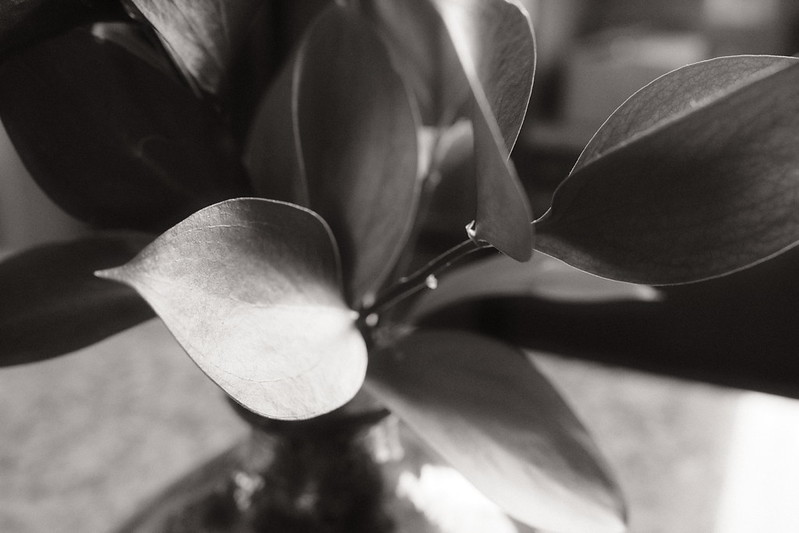
Stop Here on Infrared – Yellowstone NP, WY – Fujifilm X100V – “Black & White Infrared”

Infrared photographing is capturing light beyond the visible spectrum. It requires special film, or a digital sensor that has had the infrared filter removed. Any digital camera has the potential to be infrared sensitive, but the process isn’t easy or cheap. Full spectrum photography is similar to infrared, but also includes ultraviolet and visible light (not just infrared light). With full spectrum photography you can choose by the use of filters which light you want to capture. You can use filters with infrared, too, to control what light comes through, but not to the extent of full-spectrum. A characteristic of both infrared and full-spectrum in black-and-white is deep contrast, with dark skies and white foliage. One of my favorite photographers is Mitch Dobrowner, who converted his Canon cameras to full-spectrum for dramatic monochrome storm photography.

When I purchased my Fujifilm X-T1, I had the intentions of converting it to full-spectrum, but the cost of the conversion has prevented me from doing it. I still hope to do so, maybe later this year or perhaps next year. We’ll see. But I figured out a way to simulate something that’s in the neighborhood of infrared or full-spectrum on my Fujifilm X100V without any conversions. In the right light and with the right subject, it can be quite convincing! Even though you are only using the visible spectrum of light, it can appear as though you are actually doing infrared photography. Amazing!

Even in situations where this recipe doesn’t resemble infrared or full-spectrum, it will still produce a dramatic, high-contrast look that you might find appealing. Those who have said that Acros+R doesn’t actually resemble the use of a red filter on black-and-white film will appreciate these settings. Many landscape photographers, including Ansel Adams, employed a red filter to achieve a dark sky (for example, Moonrise Over Hernandez).

50199313783_4855b0460d_c

White Tree Black Sky – West Valley City, UT – Fujifilm X100V – “Black & White Infrared”

The trick is to use a low Kelvin white balance in conjunction with a dramatic white balance shift when using Acros+R. I got the idea from Fuji X Weekly reader James Clinich, who uses between 3800K and 4500K with a 0 Red & +8 shift to achieve a darker sky, which is something you can apply to other B&W recipes if you’d like to better mimic the use of a red filter. I just took his idea a step further to make it even more dramatic for this recipe.

My Black & White Infrared film simulation recipe can be difficult to use. I find that it doesn’t always work well. It can be very tough to gauge the best exposure, and I’ve had to go anywhere from -1 to +3 on the exposure compensation dial to get it right. It’s one of the more difficult to use recipes that I’ve created, yet it is highly rewarding. If you like dramatic black and white photographs, you’ll want to give this one a try! As of this writing, it’s only compatible with the Fujifilm X100V, X-Pro3 and X-T4 cameras.

Acros+R
Dynamic Range: DR200
Highlight: +4
Shadow: +3
B&W Toning: 0
Noise Reduction: -4
Sharpening: -4
Clarity: +5
Grain Effect: Strong, Large
Color Chrome Effect: Off
Color Chrome Effect Blue: Off
White Balance: 2750K, -5 Red & +9 Blue
ISO: Auto, up to ISO 6400

Example photographs, all camera-made JPEGs using this Black & White Infrared film simulation recipe on my Fujifilm X100V:

50199341113_08426275da_c

Crafts & Hobbies – West Valley City, UT – Fujifilm X100V

50200773876_12309a494f_c

Cloud Above The Wall – Draper, UT – Fujifilm X100V

50200231618_a82f96626b_c

Flags Over IKEA Infrared – Draper, UT – Fujifilm X100V

50199850426_39ae200794_c

Pinnacle – Farmington, UT – Fujifilm X100V

50199298923_58cd26e4f0_c

Suburban Abstract – Farmington, UT – Fujifilm X100V

50199894371_87c7042b86_c

Suites – West Valley City, UT – Fujifilm X100V

50199887306_bb9795efaf_c

Paved Paradise – West Valley City, UT – Fujifilm X100V

50200297968_f8447734d3_c

Accessible Parking – West Valley City, UT – Fujifilm X100V

50201109307_ba764c210d_c

Done Shopping – West Valley City, UT – Fujifilm X100V

50200154382_3ee8192834_c

Soda Glass – West Valley City, UT – Fujifilm X100V

50200181702_1077785349_c

Couch Stripes – Farmington, UT – Fujifilm X100V

50200926427_7ae5308f17_c

Flowers in the Sky – Big Sky, MT – Fujifilm X100V

50200123338_bd8d8d6dc2_c

Grey Hills – Red Rock Lakes NWR, MT – Fujifilm X100V

50200932317_b8cd01fb65_c

Abandoned Dream Infrared – Red Rock Lakes NWR, MT – Fujifilm X100V

50200932147_2d712731f4_c

Abandoned House by the Hill IR – Red Rock Lakes NWR, MT – Fujifilm X100V

50200932992_949869f18c_c

Henry’s Fork River – Island Park, ID – Fujifilm X100V

50200124068_ee163a4bdf_c

Upper Red Rock Lake IR – Red Rock Lakes NWR, MT – Fujifilm X100V

50200121898_861dc57d64_c

Red Rock Road Monochrome – Red Rock Lakes NWR, MT – Fujifilm X100V

50200118482_600fbbca34_c

Aspen Leaves Infrared – Farmington, UT – Fujifilm X100V

50199313823_1250086638_c

Illuminated Tree – West Valley City, UT – Fujifilm X100V

50197351577_520f4d92b0_c

Infrared Tree – Farmington, UT – Fujifilm X100V

See also: Film Simulation Recipes

This post contains affiliate links, and if you make a purchase using my links I’ll be compensated a small amount for it.

Fujifilm X100V Black    Amazon   B&H
Fujifilm X100V Silver   Amazon   B&H

Help Fuji X Weekly

Nobody pays me to write the content found on fujixweekly.com. There's a real cost to operating and maintaining this site, not to mention all the time that I pour into it. If you appreciated this article, please consider making a one-time gift contribution. Thank you!

$5.00

Fujifilm X100V Film Simulation Recipe: Kodak Ektar 100

50207858802_f2aefe6bb0_c

Dock Light – Flathead Lake, MT – Fujifilm X100V – “Kodak Ektar 100”

I already have a Kodak Ektar film simulation recipe that I published a little over two years ago, but I’ve been wanting to revisit it for awhile. In the article that I published for that recipe, I wrote, “I’m actually a little hesitant to call this film simulation recipe Kodak Ektar 100 because it’s not quite right. It’s close, but a little off. The color palette is slightly askew.” That’s a true statement. My original Ektar recipe is close but no cigar. Since that time Fujifilm has added more JPEG options to their cameras, so would it be possible to get closer to real Ektar on my X100V?

Kodak introduced Ektar in 1989. It has been made in ISO 25, 100, 125, 400 and 1000 versions at one time or another. Kodak discontinued Ektar in 1997, but they brought it back in 2008 with an updated emulsion. I’ve shot the old Ektar but never the new Ektar. It’s my understanding that they’re similar but not exactly the same.

This new film simulation recipe will be controversial. To achieve a more correct color palette, this recipe is based off of Classic Chrome instead of Astia. The reason that I used Astia in the original recipe is because “Classic Chrome isn’t vibrant enough, even with Color set to +4.” That’s still true, although Color Chrome Effect does help a little. Honestly, if +6 was an option, that’s what I’d set Color to. Unfortunately that’s not an option, so we have a slightly undersaturated recipe. Another issue is that Ektar can have several different looks, depending on how it’s shot, developed, and printed or scanned, just like any film; however, with Ektar, even a 1/3 stop over or under exposure can noticeably effect the aesthetics of the picture.

50200349207_758d6550a6_c

Peach Sun – Farmington, UT – Fujifilm X100V – “Kodak Ektar 100”

Fuji X Weekly reader Thomas Schwab helped me immensely with this recipe. He’s had a hand in several recipes, and even created one from scratch that’s quite popular: Urban Vintage Chrome. Thomas captured a bunch of pictures with actual Ektar film, and made several similar exposures with his X-Trans IV cameras. He showed me examples of both, applying my original Ektar recipe to the pictures captured with his Fujifilm cameras. Then we began to create a new Kodak Ektar 100 film simulation recipe based on his Ektar pictures, hoping to achieve something closer to the film than the original recipe.

We discovered very quickly that Ektar is impossible to faithfully recreate on Fujifilm cameras, because only Classic Chrome has the correct color palette, and it’s not vibrant enough. We tried Astia, Provia, Velvia, and PRO Neg. Hi, and of those Astia was the closest, but none of them were right. We settled on Classic Chrome despite it not being vibrant enough. We went back-and-forth on different settings, but especially the white balance. There were several times that we said, “This is it,” only to modify something the next day.

A problem we encountered is that Ektar can have several different looks, even from the same roll of film. There was a discussion about creating as many as three different recipes, depending on the exact aesthetic we wanted to recreate, but decided to go with just one recipe, modeled after our favorite pictures from Thomas’ Ektar film. After even more back-and-forth we finished with this recipe here. We feel confident that it is as close as we could get to actual Ektar film, acknowledging that it’s very close but not exactly right.

50207585381_690dfb5bdc_c

Boat in the Bay – Flathead Lake, MT – Fujifilm X100V – “Kodak Ektar 100”

The original Ektar recipe isn’t an exact match to the film, and I believe that this new recipe is closer. The two recipes each produce a different look, and perhaps they both have a place, depending on what exact aesthetic you are after. This new recipe was a collaborative effort, and I want to give a special “thank you” to Thomas Schwab for all of the time and effort he put into making this a reality. It’s much appreciated!

This Kodak Ektar 100 film simulation recipe is intended for and only compatible with (as of this writing) the Fujifilm X100V, X-Pro3 and X-T4. It uses Clarity, which slows down the camera considerably. I just allow the pause to slow myself down. Another option, which is what Fujifilm recommends, is to add Clarity later by reprocessing the RAW file in-camera or with X RAW Studio.

Classic Chrome
Dynamic Range: DR-Auto
Highlight: +1
Shadow: -2
Color: +4
Noise Reduction: -4
Sharpening: 0
Clarity: +3
Grain Effect: Off
Color Chrome Effect: Strong
Color Chrome Effect Blue: Weak
White Balance: 6050K, +3 Red & 0 Blue
ISO: Auto, up to ISO 6400
Exposure Compensation: 0 to +2/3 (typically)

Example photographs, all camera-made JPEGs using this new Kodak Ektar 100 film simulation recipe on my Fujifilm X100V:

50207056048_86d1cec035_c

Daisies by the Dock – Flathead Lake, MT – Fujifilm X100V

50199491133_a475819855_c

Henry’s Fork – Island Park, ID – Fujifilm X100V

50200032226_6241a7f21f_c

Johnny Sack Cabin – Island Park, ID – Fujifilm X100V

50207058698_99041b012e_c

North Shore of Island – Wild Horse Island State Park, MT – Fujifilm X100V

50199529508_52f79afbee_c

Butters – Roy, UT – Fujifilm X100V

50200035566_cd516a68ca_c

Mustang Evening – Farmington, UT – Fujifilm X100V

50200344117_f53e848c66_c

Roofline Sky – Farmington, UT – Fujifilm X100V

50200063851_979837c7cc_c

Finding Clues – Farmington, UT – Fujifilm X100V

50200354632_50fd1015d9_c-1

Golden Boy – Farmington, UT – Fujifilm X100V

50199551933_9ecd80cb81_c

Rocket Launching – Farmington, UT – Fujifilm X100V

50200341742_072ae06d5d_c

Yellow Lady – Layton, UT – Fujifilm X100V

50200067236_71966bbedb_c

Light Too Bright – Farmington, UT – Fujifilm X100V

50200096446_8f1f6bebff_c

Lawnmower Handle & Shadow – Farmington, UT – Fujifilm X100V

50200070531_d508a347b6_c

Air Pump – Farmington, UT – Fujifilm X100V

50200356072_d4953bdcf0_c

Blossom Red – Farmington, UT – Fujifilm X100V

50199544328_fd653a9cd9_c

Flower Garden Blossom – Farmington, UT – Fujifilm X100V

50199551953_a4ecaabf9d_c

Bug Hiding on a Flower – Farmington, UT – Fujifilm X100V

50199537008_5815333243_c

Rose Fence – Farmington, UT – Fujifilm X100V

50200365587_aa5c94c9eb_c

Marsh Reeds – Farmington, UT – Fujifilm X100V

See also: Film Simulation Recipes

This post contains affiliate links, and if you make a purchase using my links I’ll be compensated a small amount for it.

Fujifilm X100V Black    Amazon   B&H
Fujifilm X100V Silver   Amazon   B&H

Help Fuji X Weekly

Nobody pays me to write the content found on fujixweekly.com. There's a real cost to operating and maintaining this site, not to mention all the time that I pour into it. If you appreciated this article, please consider making a one-time gift contribution. Thank you!

$5.00

Fujifilm X100V Film Simulation Recipe: Kodak Ultramax 400

50174810886_0124629e81_c

Empty Outdoor Seating – Farmington, UT – Fujifilm X100V – “Kodak Ultramax 400”

Ultramax 400 is Kodak’s consumer grade ISO 400 color negative film. Kodak has sold Ultramax 400 under many different names, beginning in 1987 with Kodacolor VR-G 400, rebranded Gold 400 one year later, called simply GC at one point, and finally, in 1997, Kodak settled on Ultramax 400. Kodak still sells Ultramax 400, although it’s not the same film as Kodacolor VR-G 400. This film has been tweaked and updated at least nine times over the years; however, the overall aesthetic is still substantially similar between all variations.

This recipe is a happy accident. I was actually working on a different Kodak film simulation recipe, and this was a failed attempt. But I liked how this one looked, so I made a minor adjustment, and created this recipe, which I determined looked a heck-of-a-lot like Ultramax 400. I didn’t intentionally create an Ultramax 400 recipe, but nonetheless here it is! Sometimes it’s better to be lucky than good.

50200245208_d78ebfb3c4_c

Colorful Store Decor – Layton, UT – Fujifilm X100V – “Kodak Ultramax 400”

For some of you this new recipe will be an instant favorite. I really love how it looks and plan to use it frequently. This one might be right up there with Kodachrome 64 and Portra 400 for favorite Kodak presets. A word of caution: it does require Clarity, which slows down the camera considerably. This film simulation recipe (as of this writing) is only compatible with the Fujifilm X100V, X-Pro3 and X-T4 cameras.

Classic Chrome
Dynamic Range: DR-Auto
Highlight: +1
Shadow: +1
Color: +4
Noise Reduction: -4
Sharpening: 0
Clarity: +3
Grain Effect: Strong, Large
Color Chrome Effect: Weak
Color Chrome Effect Blue: Weak
White Balance: Auto, +1 Red & -5 Blue
ISO: Auto, up to ISO 6400
Exposure Compensation: +1/3 to +1 (typically)

Example photographs, all camera-made JPEGs using this new Kodak Ultramax 400 film simulation recipe on my Fujifilm X100V:

50178962181_da32606fab_c

Road Construction – Clearfield, UT – Fujifilm X100V

50178327343_0ac683488a_c

Store Closing – Farmington, UT – Fujifilm X100V

50175068762_488e04a441_c

Urban Roses – Farmington, UT – Fujifilm X100V

50186500091_d71ac4d89d_c

Summer Fruit Tree – Farmington, UT – Fujifilm X100V

50186500256_e7d9cafc5d_c

Ripening Peaches – Farmington, UT – Fujifilm X100V

50201065162_652937ce49_c

Wood Barrel – Layton, UT – Fujifilm X100V

50174810781_941e788494_c-1

Table & Chair – Farmington, UT – Fujifilm X100V

50174272903_8148e89df8_c

Library Lights – Farmington, UT – Fujifilm X100V

50174272833_412c04112c_c

Contemplation – Farmington, UT – Fujifilm X100V

50186753377_66e82229c5_c

Blackberry Boy – Farmington, UT – Fujifilm X100V

50186500246_317a74d048_c

End Table Succulent – Farmington, UT – Fujifilm X100V

50186555573_f3855e1f02_c-1

Math Books on a Table – Farmington, UT – Fujifilm X100V

50202588233_e9759a3c0e_c

Kitchen Tools – Farmington, UT – Fujifilm X100V

50200787276_d1efd98ae7_c

Quality Goods – Layton, UT – Fujifilm X100V

50200788091_501ee832c8_c

75 – Layton, UT – Fujifilm X100V

50200245203_b57a1d0732_c

Table Bloom – Layton, UT – Fujifilm X100V

50200787921_cd3d64a367_c

Fake Tulips – Layton, UT – Fujifilm X100V

50178423693_30aafce99f_c

Fake Flowers in Window Light – Farmington, UT – Fujifilm X100V

See also: Film Simulation Recipes

This post contains affiliate links, and if you make a purchase using my links I’ll be compensated a small amount for it.

Fujifilm X100V Black    Amazon   B&H
Fujifilm X100V Silver   Amazon   B&H

Help Fuji X Weekly

Nobody pays me to write the content found on fujixweekly.com. There's a real cost to operating and maintaining this site, not to mention all the time that I pour into it. If you appreciated this article, please consider making a one-time gift contribution. Thank you!

$5.00

Film Simulation Recipe Compatibility: X-Trans IV

Bayer, X-Trans I & II
X-Trans III

Those with Fujifilm X-Trans IV cameras, which include the X-T3, X-T30, X-Pro3, X100V and X-T4, have the most film simulation recipes to choose from. There are currently five X-Trans IV cameras, and they actually fall into two groups: “Old” (X-T3 & X-T30) and “New” (X100V, X-Pro3 & X-T4). The two groups have different options. The latter has the new Classic Negative film simulation (also the new Bleach Bypass film simulation on the X-T4), Color Chrome Effect Blue, Clarity, new Grain options, and new B&W Toning. This means that the recipes that are intended for the X100V, X-Pro3 and X-T4 are not compatible with the X-T3 and X-T30, with the exception of Kodak Tri-X 400, Kodak T-Max 400, and Verano Tostado, which are compatible with X-Trans III & IV (just follow the directions explained in those recipes). I do hope that Fujifilm adds these new features to the X-T3 and X-T30 via firmware updates.

X-T3 & X-T30

46744745254_ec8e609544_c

The list below are the film simulation recipes that are intended for use on the X-T3 and X-T30. Also, all of the X-Trans III recipes are also fully compatible with these two cameras, so you have that list to choose from, too.

Kodachrome 64
Kodak Gold 200
Kodak Portra 160
Kodak Portra 400
Kodak Ultramax
Kodak Vision3 250D
Eterna
Expired Eterna
Eterna Low-Contrast
Polaroid
Polaroid II
Analog Color
Jeff Davenport Night
Faded Color
Vintage Color Fade
Elite Chrome 200 Color Fade
Color Negative
Fujichrome Sensia 100
Fujicolor Pro 400H Overexposed
Warm Contrast
Bleach Bypass
Kodacolor
Kodacolor II 126
Classic Slide
Urban Vintage Chrome
Fujicolor 100 Industrial
Lomography Color 100
Velvia
Redscale
Cross Process
Acros
Monochrome Kodachrome
Ilford HP5 Plus Push-Process
Ilford Delta Push-Process
Dramatic Monochrome
Faded Monochrome
Split-Toned B&W
Cyanotype
Sepia

If you have an X-Trans III camera, you can use some of the recipes above, even though they are intended for X-Trans IV. Those recipes that use the Eterna film simulation are only compatible with the X-H1, because that’s the only X-Trans III camera with Eterna. Those that call for Color Chrome Effect or B&W toning are not fully compatible with X-Trans III (but some can be used anyway, it will just look a little different). Others, such as Portra 160 and Warm Contrast, are actually full compatible with X-Trans III, because Color Chrome Effect is Off.

X100V, X-Pro3 & X-T4

49901968537_6fb5c9b2fd_c

The film simulation recipes below are only compatible with the X100V, X-Pro3 and X-T4, with the exception of Kodak Tri-X 400, Kodak T-Max 400, and Verano Tostado (just follow the instructions in that article). Expect this list to grow significantly over the coming weeks and months, as I have a number of different recipes in the works.

Kodachrome 64
Kodachrome 1
Kodak Portra 400
Kodak Ultramax 400
Kodak Ektar 100
Fujicolor Reala 100
Fujicolor Superia 100
Fujicolor Superia 800
Fujicolor Superia 1600
Agfa Vista 100
Classic Negative
Nature Neon
The Rockwell
Bleach Bypass
Verano Tostado
Bright Summer
Cine Teal
CineStill 800T
Kodak Tri-X 400
Kodak T-Max 400
B&W Superia
Black & White Infrared
Sepia

All of the X-Trans III and “Old” (X-T3 & X-T30) X-Trans IV recipes are fully compatible with the X100V, X-Pro3 and X-T4, but with two caveats: Grain and B&W Toning. You’ll have to decide if you want Grain set to Small or Large. That will be your call, whatever you think is most appropriate for your pictures. If the recipe calls for B&W Toning, you’ll have to figure out how the new B&W Toning translates, because it’s different. Other than that, all of those recipes are yours to use, in addition to the ones listed above.

Now it’s your turn! Which recipes are your favorite and what cameras are you using them on? Let me know in the comments!

Film Simulation Recipe Compatibility: X-Trans III

36048378846_7a7a98985e_c

Bayer, X-Trans I & II

Those with Fujifilm X-Trans III sensor cameras, which include the X-Pro2, X100F, X-E3, X-T2, X-T20, and X-H1, might be unaware which film simulation recipes to use. I’ve published around 80 different film simulation recipes, so which recipes are compatible with your camera? The answer is simple: all of the ones in the list below:

Velvia
Astia
Classic Chrome
Vintage Kodachrome
PRO Neg. Hi
Fujicolor Superia 800
CineStill 800T
Eterna
Kodak Portra 400
Kodak Ektar 100
Kodak Ultramax
Cross Process
Kodachrome II
Dramatic Classic Chrome
Vintage Agfacolor
Aged Color
Kodak Ektachrome 100SW
Fujicolor Pro 400H
Agfa Optima
Classic Negative
Cine Teal
Acros
Acros Push-Process
Agfa Scala
Ilford HP5 Plus
Tri-X Push-Process
Sepia

If you have an X-Trans III camera, you have many recipes to choose from. Yet you actually have many more options than that. You see, X-Trans IV recipes intended for the Fujifilm X-T3 and X-T30 (not the X100V, X-Pro3 and X-T4, as that’s a whole other situation) are mostly compatible with your X-Trans III camera. The only X-Trans III camera with Eterna is the X-H1, so those X-Trans IV recipes that require the Eterna film simulation will work on that one camera only, and will not work on any other X-Trans III camera. Color Chrome Effect and B&W Toning are the two other features that are added to X-Trans IV. Not all of the X-Trans IV recipes call for those features, which makes those particular recipes fully compatible with X-Trans III. Those that do call for CCE or Toning can still be used, but results will be just a little different. In other words, those X-Trans IV recipes intended for the X-T3 and X-T30 are, for the most part, either fully or mostly compatible with X-Trans III cameras, especially if you have an X-H1, so I invite you to give them a try and see what you think!

X-Trans IV

Film Simulation Recipe Compatibility: Bayer, X-Trans I & II

35191776924_3a26d8eecc_k

Fuji X Weekly reader Gustavo Potenza sifted through all of the film simulation recipes on this website and organized them by sensor and camera compatibility. Whoa! That was a tall task, but he knocked it out in a matter of minutes. I wanted to share this information with you, but also separate it into multiple posts so that you can quickly find the recipes you’re looking for. I’ll link this article to the recipe page for easy access, and I’ll keep it updated as I make new recipes. Thank you, Gustavo, for doing the hard work on this!

The first list, which are recipes compatible with Fujifilm Bayer and X-Trans I sensors, is very short. I really need to make it longer by adding more recipes. I hope to do that eventually. If you have a Fujifilm camera with a Bayer sensor or X-Trans I sensor, these are the recipes that you can use. The Classic Chrome recipe is only compatible with those cameras that have the Classic Chrome film simulation. At the bottom is the X-Trans II list, which is much longer.

Bayer & X-Trans I

29205831118_e596bc81da_h

Velvia, Classic Chrome, & Monochrome
Golden Negative
Analog Cool
Monochrome
Sepia

The above recipes are intended for the Fujifilm X-A1, X-A2, X-A3, X-A5, X-A7, X-A10, XF10, X-T100, X-T200, X100, X-PRO1, X-E1, and X-M1 (I hope I didn’t miss any). Some of the X-Trans II recipes below might also work on your Bayer or X-Trans I camera, although results might vary slightly, and it will depend if your camera has the film simulation that the recipe requires.

X-Trans II

49353781021_a354ef72d4_c

The film simulation recipes below are compatible with X-Trans II cameras. A few X-Trans II cameras don’t have all of the different film simulations required, so some of these recipes might not work on your camera.

Kodachrome 64
Kodachrome II
Ektachrome 100SW
Portra 160
Kodacolor
Eterna
Agfa Optima
Velvia, Classic Chrome & Monochrome
Faded Monochrome
Sepia
Lomography Color 100
Cross Process
Kodachrome Without Classic Chrome
Astia

The above recipes are intended for the Fujifilm X100S, X100T, X-E2, X-E2S, X-T1, X-T10, X70, X20, X30, XQ1, and XQ2 (I hope that I didn’t miss any). Not all of the recipes will be compatible with every X-Trans II camera. Some of them might even be compatible with Bayer and X-Trans I cameras with varying results, so feel free to try.

X-Trans III
X-Trans IV

Fujifilm XQ1 (X-Trans II) Film Simulation Recipe: Kodachrome Without Classic Chrome

50171408716_2379549230_c

Red Greens – Kaysville, UT – Fujifilm XQ1 – “Kodachrome”

I’ve made a lot of Kodachrome film simulation recipes for Fujifilm cameras (click here, here, here, here, here and here), and they’re very popular. Kodachrome was an iconic slide film made by Kodak for many, many years, so it’s no surprise that people want to get that look out of their Fujifilm camera. All of my Kodachrome recipes use Classic Chrome because it has a Kodak-esque slide film aesthetic, but some cameras don’t have Classic Chrome, such as the Fujifilm XQ1. Yes, the XQ1 is an X-Trans II camera, and most X-Trans II cameras have Classic Chrome, but this one doesn’t, only Provia, Velvia, and Astia for color images.

I created this recipe by capturing an image on my X-T1 using my Kodachrome 64 recipe for that camera, and then as best as possible recreated the look not using Classic Chrome. While I tried Velvia and Astia, I ended up using Provia. It’s a surprisingly close match, although not exact. I think you’ll like this Kodachrome recipe if your camera doesn’t have Classic Chrome.

50153404536_1a3b092a1f_c

!!! Ride !!! – Salt Lake City, UT – Fujifilm XQ1 – “Kodachrome”

Provia
Dynamic Range: DR200
Highlight: +2 (Hard)
Shadow: +1 (Medium-Hard)
Color: -2 (Low)
Sharpness: 0 (Standard)
Noise Reduction: -2 (Low)
White Balance: Daylight (Fujifilm calls it “Fine” for some reason), -1 Red & -4 Blue
ISO: Auto, up to ISO 1600
Exposure Compensation: +1/3 to +2/3 (typically)

Example photographs, all camera-made JPEGs made using this “Kodachrome Without Classic Chrome” film simulation recipe on a Fujifilm XQ1:

50170859173_492c5125b3_c

Lights & Reflections – Kaysville, UT – Fujifilm XQ1

50173970258_90273f086c_c

Flag Poles – Farmington, UT – Fujifilm XQ1

50170859198_5e88b7cfe8_c

Drive Thru Gas & Wash – Kaysville, UT – Fujifilm XQ1

50171403816_67799c0c77_c

Flowers in a Pot on Concrete – Kaysville, UT – Fujifilm XQ1

50152856003_058bb1229d_c

Horse Ranch – Salt Lake City, UT – Fujifilm XQ1

50153404476_d523eb37b5_c

Closed Umbrella, Threatening Clouds – Farmington, UT – Fujifilm XQ1

50144632548_bfe3258a85_c

Drawing Jonathan – Farmington, UT – Fujifilm XQ1

50145177136_aca1e0829c_c

Breakfast – Farmington, UT – Fujifilm XQ1

See also: Film Simulation Recipes

Help Fuji X Weekly

Nobody pays me to write the content found on fujixweekly.com. There's a real cost to operating and maintaining this site, not to mention all the time that I pour into it. If you appreciated this article, please consider making a one-time gift contribution. Thank you!

$5.00

Fujifilm X100V Film Simulation Recipe: Fujicolor Superia 800

50149664253_f69253ce2c_c

Flags of IKEA – Draper, UT – Fujifilm X100V – “Fujicolor Superia 800”

One of the earliest film simulation recipes I created that was intended to mimic a specific film was Fujicolor Superia 800, which I made on a Fujifilm X100F about two-and-a-half years ago. This is a recipe that I’ve used often; I especially like it on overcast days. When I published the Superia 800 recipe, I stated, “It’s not a 100% match [to the film], but I feel like it’s convincing enough….” I think that’s a true statement, but with the new tools available on the X100V, could I create a closer match, one that might be even more convincing?

Classic Negative needed to be the starting point for a new Fujicolor Superia 800 recipe since this new film simulation is “modeled after” Fujicolor Superia with “Superia-like” colors. I incorporated the new Clarity and Color Chrome Effect Blue features into this recipe. Unfortunately, Clarity slows down the camera considerably, so you’ll either have to accept the slow speed (which is what I do) or add Clarity later by reprocessing the RAW file. I think this new recipe is indeed a closer match to actual Superia 800—in fact, you could likely convince people that you shot film!

50153756412_10242d2ae3_c

Horse Boarding – Salt Lake City, UT – Fujifilm X100V

I think this recipe might be my favorite of the Superia recipes that I’ve created thus far. If you like my Superia 100, Reala 100, and Superia 1600 recipes, you’ll certainly like this one, too! It has a great analog aesthetic. It’s pretty amazing that you can get this look straight out of camera. This Fujicolor Superia 800 recipe is (as of this writing) only compatible with the Fujifilm X100V, X-Pro3 and X-T4.

Classic Negative
Dynamic Range: DR400
Highlight: -1
Shadow: +1
Color: -1
Noise Reduction: -4
Sharpening: -1
Clarity: -4
Grain Effect: Strong, Large
Color Chrome Effect: Strong
Color Chrome Effect Blue: Weak
White Balance: Daylight, -1 Red & -3 Blue
ISO: Auto, up to ISO 6400
Exposure Compensation: +1/3 to +2/3 (typically)

Example photographs, all camera-made JPEGs using this Fujicolor Superia 800 film simulation recipe on my Fujifilm X100V:

50149664263_35fa2f3ebe_c

Line Begins Here – Draper, UT – Fujifilm X100V

50150223076_a79d675bec_c

Fire Suppression – Draper, UT – Fujifilm X100V

50149673438_9356b3b19c_c

Trash – Draper, UT – Fujifilm X100V

50150453777_fc4f6e29e5_c

Family Friendly Parking – Draper, UT – Fujifilm X100V

50150453252_42528d9612_c

Waiting for Hope? – Draper, UT – Fujifilm X100V

50150462187_d1df4184e6_c

Waiting to Enter – Draper, UT – Fujifilm X100V

50150205551_8934d9ea5a_c

Waiting Reflection – Draper, UT – Fujifilm X100V

50149655073_875e5b4f8b_c

Keeper of the Door – Draper, UT – Fujifilm X100V

50149654953_d28be0d145_c

Entrance – Draper, UT – Fujifilm X100V

50150215376_6022023569_c

Cloud Above Yellow Wall – Draper, UT – Fujifilm X100V

50150225376_6a4a59df0a_c

Two Flag Poles – Draper, UT – Fujifilm X100V

50150462587_f5695d2b33_c

Home Furnishings – Draper, UT – Fujifilm X100V

50150225231_56747aa0be_c

Upplaga – Draper, UT – Fujifilm X100V

50152968863_5ecbf41673_c

Track Closed – Salt Lake City, UT – Fujifilm X100V

50149654163_ba8d06dd09_c

Artificial – Draper, UT – Fujifilm X100V

50149654213_0dbe29d50e_c

Hanging Patio Lights – Draper, UT – Fujifilm X100V

50150189256_15a2c37c4b_c

Two Step – Draper, UT – Fujifilm X100V

50150427682_5734ea8220_c

Red Light – Draper, UT – Fujifilm X100V

50153517641_567848d532_c

Rainbow Spirit – Farmington, UT – Fujifilm X100V

50153517711_b7257431ce_c

Chair Back – Farmington, UT – Fujifilm X100V

50153813576_211640ed12_c

Joshua Eating – Farmington, UT – Fujifilm X100V

50153756332_9a3ed6a1da_c

Brother & Sister on the Couch – Farmington, UT – Fujifilm X100V

50153524701_a6d4d8cfcf_c

Balcony Railing – Farmington, UT – Fujifilm X100V

50149692703_ca568aeda1_c

Umbrella Unopened – Farmington, UT – Fujifilm X100V

50150462462_7612e86b79_c

Sunlight Sky & Green Leaves – Farmington, UT – Fujifilm X100V

50149682498_b7222848fc_c

Ripening Soon – Farmington, UT – Fujifilm X100V

50157178331_e04e5de298_c

Fallen Log in the Forest – Monte Cristo, UT – Fujifilm X100V

See also: Film Simulation Recipes

This post contains affiliate links, and if you make a purchase using my links I’ll be compensated a small amount for it.

Fujifilm X100V Black    Amazon   B&H
Fujifilm X100V Silver   Amazon   B&H

Help Fuji X Weekly

Nobody pays me to write the content found on fujixweekly.com. There's a real cost to operating and maintaining this site, not to mention all the time that I pour into it. If you appreciated this article, please consider making a one-time gift contribution. Thank you!

$5.00

Fujifilm XQ1 (X-Trans II) Film Simulation Recipe: Lomography Color 100

50140153293_87892967e4_c

Backlit Backyard Leaves – Farmington, UT – Fujifilm XQ1 – “Lomography 100”

My second attempt at a film simulation recipe for the Fujifilm XQ1, which has an X-Trans II sensor, was Lomography Color 100. I have a recipe for this film for X-Trans IV cameras, such as my X-T30, and this is a conversion of that recipe for X-Trans II cameras. Honestly, this version isn’t quite as good as the X-Trans IV version (because the newer cameras have more JPEG options), but it’s still a good all-around, everyday film simulation recipe.

As I explained in my X-Trans IV recipe, there are three and perhaps four different emulsions that have been sold under the Lomography Color 100 name. Making a recipe that matches the film is impossible for that reason. Besides, people who use this film also often use alternative techniques, such as push-processing. Lomography Color 100 can have many, many different looks; despite that, this recipe is in the general ballpark of the film.

Velvia
Dynamic Range: DR400
Highlight: +2 (Hard)
Shadow: 0 (Standard)
Color: -2 (Low)
Sharpness: 0 (Standard)
Noise Reduction: -2 (Low)
White Balance: Cloudy/Shade, -3 Red & +7 Blue
ISO: Auto, up to ISO 1600
Exposure Compensation: 0 to +1/3 (typically)

Example photographs, all camera-made JPEGs made using this Lomography 100 film simulation recipe on a Fujifilm XQ1:

50140153588_f17bc14423_c

Green Leaves & Blue Sky – Farmington, UT – Fujifilm XQ1

50140153503_30f4005271_c

Rooster Roof – Farmington, UT – Fujifilm XQ1

50135821307_57a829a0e5_c

Promenade – Salt Lake City, UT – Fujifilm XQ1

50135468336_fdf081fa41_c

Towing – Salt Lake City, UT – Fujifilm XQ1

50135040108_f9f9a0a899_c

Yellow Hitch – Salt Lake City, UT – Fujifilm XQ1

50135705122_edb0c707b9_c

Rusty Ford – Salt Lake City, UT – Fujifilm XQ1

50135705097_828192428b_c

Camper Special – Salt Lake City, UT – Fujifilm XQ1

50135468431_81c5c541d6_c

Grate Airport Bus – Salt Lake City, UT – Fujifilm XQ1

50134923608_e7c094496f_c

Major Award – Salt Lake City, UT – Fujifilm XQ1

50140153558_b114f561b1_c

Abandoned Truck Trailers – Salt Lake City, UT – Fujifilm XQ1

50140153613_60c8827b4f_c

Graffiti Truck – Salt Lake City, UT – Fujifilm XQ1

50135584731_ee1696d974_c

Yucca Leaves – Salt Lake City, UT – Fujifilm XQ1

50134923623_1cb9f13c4d_c

Sunlight Through The Green Tree – Salt Lake City, UT – Fujifilm XQ1

50140692766_717b56cb43_c

Evening Tree & Reeds – Farmington, UT – Fujifilm XQ1

50140933912_653bd5d3ba_c

Red Berries – Farmington, UT – Fujifilm XQ1

50140151573_328552d0f1_c

Irrigation Cover – Farmington, UT – Fujifilm XQ1

50140151588_eb1115a5a9_c

White Thistle – Farmington, UT – Fujifilm XQ1

50140694976_d312559af4_c

Rocky Landscape – Farmington, UT – Fujifilm XQ1

50140955642_8bd9bfb9b3_c

Single Reed – Farmington, UT – Fujifilm XQ1

50140692746_f3622ab818_c

Reeds Reaching To The Sky – Farmington, UT – Fujifilm XQ1

50140692781_78944cede4_c

Jonathan Outside – Farmington, UT – Fujifilm XQ1

See also:
Fujifilm XQ1 Cross Process Film Simulation Recipe
Film Simulation Recipes

Help Fuji X Weekly

Nobody pays me to write the content found on fujixweekly.com. There's a real cost to operating and maintaining this site, not to mention all the time that I pour into it. If you appreciated this article, please consider making a one-time gift contribution. Thank you!

$5.00

Fujifilm XQ1 (X-Trans II) Film Simulation Recipe: Cross Process

50127261047_710eb2923f_c

A Fuji X Weekly reader sent me his camera, a Fujifilm XQ1, so that I might create some film simulation recipes for it. For those who don’t know, the XQ1 is a premium compact-zoom that Fujifilm made six or seven years ago, and it has a 2/3″ 12-megapixel X-Trans II sensor. While the sensor is much smaller than APS-C, it has the same processor and software as other X-Trans II cameras, although it is missing some options (Classic Chrome, PRO Neg. Hi and PRO Neg. Std, for instance). I discovered that some of the X-Trans II recipes I’ve created, such as Ektachrome 100SW, Agfa Optima, Velvia and Monochrome, all work great on the XQ1. My intentions are to create some more recipes that will work on this camera, and, really, all X-Trans II cameras.

The first film simulation recipe that I created for the XQ1 (and, again, it’s compatible with all X-Trans II cameras) is Cross Process. I have a couple Cross Process recipes that I’ve created for newer camera models (here and here), but never for older models. This one was rather easy to make, and so that’s why I started with it. While I set the maximum ISO to 1600, if you are using an APS-C X-Trans II camera, I’d go as high as ISO 3200. Feel free to try this recipe on X-Trans I or Bayer cameras, if you have one of those, and see how it turns out.

50127599118_c106be3ec6_c

Summer Evening Dream – Salt Lake City, UT – Fujifilm XQ1 – “Cross Process”

Cross processing is a technique where you develop a film in chemicals intended for another film. For example, the most common cross process is to develop color transparencies, which require the E-6 process, using color negative film chemicals, which is known as C-41 process. For slide film, the photographs typically increase in contrast and grain and the colors shift dramatically. There are other types of cross processing, as well. I’ve done cross processing before, and the results can be fun. Different films will look different when they are cross processed. Overexposing or underexposing or even how the development is handled can effect how the image is rendered. The aesthetic can vary significantly, but usually you can spot a cross processed photograph when you see it.

Provia
Dynamic Range: DR200
Highlight: +2 (Hard)
Shadow: +2 (Hard)
Color: +2 (High)
Sharpness: -1 (Medium-Soft)
Noise Reduction: -2 (Low)
White Balance: Auto, -3 Red & -9 Blue
ISO: Auto, up to ISO 1600
Exposure Compensation: +1/3 (typically)

Example photographs, all camera-made JPEGs made using this Cross Process film simulation recipe on a Fujifilm XQ1:

50128166131_d0dbd38fc7_c

SkyWest Sunset – Salt Lake City, UT – Fujifilm XQ1

50128387562_d1d2c392a1_c

Eagle TT-12 – Salt Lake City, UT – Fujifilm XQ1

50128166176_6c7dcd4a24_c-1

SkyWest Carts – Salt Lake City, UT – Fujifilm XQ1

50128166166_79d23f34a4_c

Ford Truck – Salt Lake City, UT – Fujifilm XQ1

50128166156_0bb3160d9d_c

Ranger – Salt Lake City, UT – Fujifilm XQ1

50128387472_ca43188400_c

Warehouse Deliveries – Salt Lake City, UT – Fujifilm XQ1

50131808092_7f270cfe8c_c

Stop! – Farmington, UT – Fujifilm XQ1

50131808067_e10a3f256b_c

Cross Process Red Roses – Farmington, UT – Fujifilm XQ1

50127598473_14aa4e6d0d_c

Yellow Stump – Salt Lake City, UT – Fujifilm XQ1

50126934956_bd51dcdf46_c

Sand Toys Without Sand – Farmington, UT – Fujifilm XQ1

50131808037_d480e0bf82_c

Spirit of Photography – Farmington, UT – Fujifilm XQ1

50131808047_9d7444313c_c

Blessed – Farmington, UT – Fujifilm XQ1

50126363563_e3c9cfc291_c

Message From Space – Farmington, UT – Fujifilm XQ1

50127156627_af2e977e15_c

Green Leaves – Farmington, UT – Fujifilm XQ1

See also: Film Simulation Recipes

Help Fuji X Weekly

Nobody pays me to write the content found on fujixweekly.com. There's a real cost to operating and maintaining this site, not to mention all the time that I pour into it. If you appreciated this article, please consider making a one-time gift contribution. Thank you!

$5.00